
No products in the cart.
Introduction
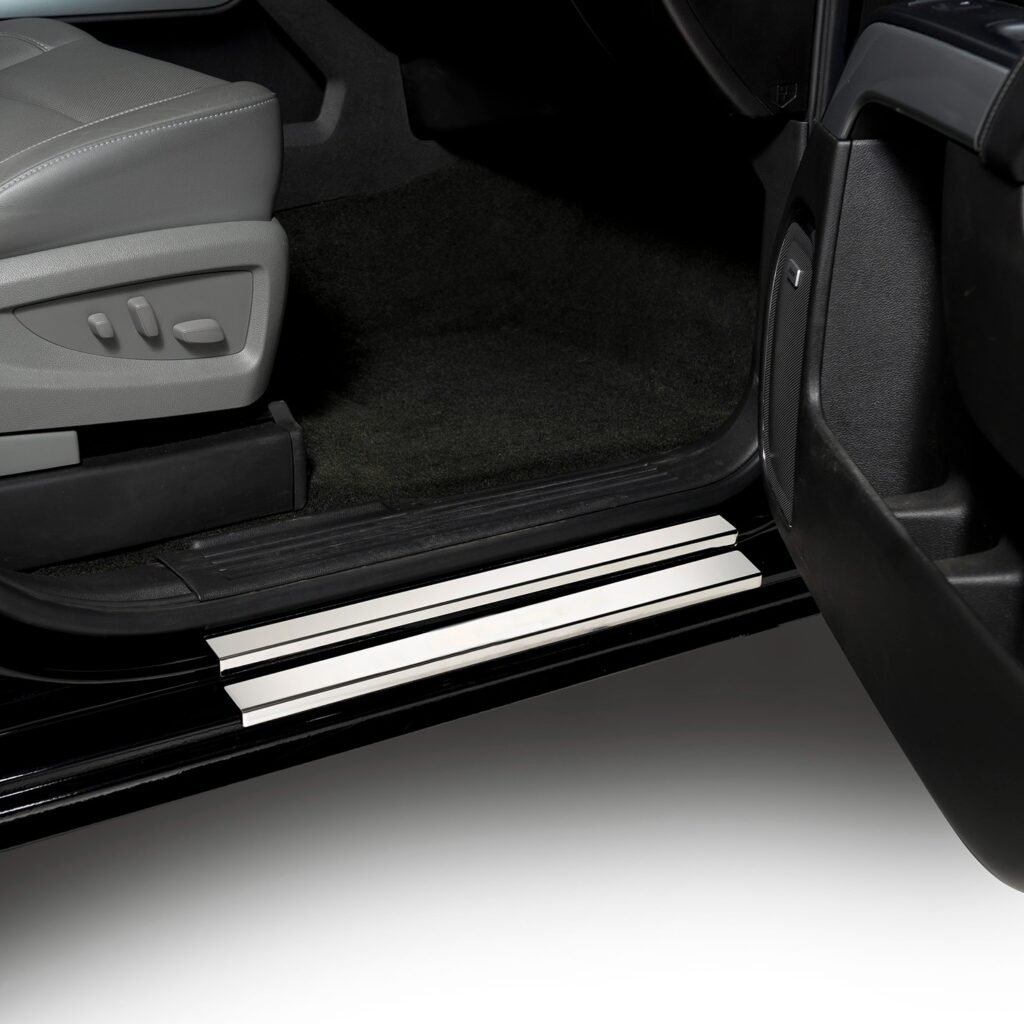
Metal vs OEM Scuff Plates is a common comparison for car owners who want maximum door sill protection and long-term durability. Scuff plates protect the threshold area from shoe scuffs, heel damage, luggage scratches, and general wear from entry and exit. Choosing the wrong type can lead to frequent replacements and disappointing performance, especially under rough daily use.
Metal scuff plates and OEM (Original Equipment Manufacturer) scuff plates differ in material quality, strength, finish, and long-term wear resistance. To help you make the right choice, understanding their differences in daily performance is essential.
👉 Explore premium Door Scuff Plates & Protection Accessories at Ozone Plus:


4
📑 Table of Contents
- Understanding Metal & OEM Scuff Plates
- Metal Scuff Plates – Material & Strength
- OEM Scuff Plates – Design & Practicality
- Metal vs OEM Scuff Plates – Wear Resistance
- Daily Use Comparison: Road Conditions & Impact
- Installation & Maintenance Differences
- Which Scuff Plate Lasts Longer?
- Final Verdict
Understanding Metal & OEM Scuff Plates
Metal vs OEM Scuff Plates both serve the purpose of protecting the car door sill area, but they differ greatly in construction and performance. Metal scuff plates are made from stainless steel, brushed aluminum, or other durable alloys, while OEM plates are typically made from plastic, resin, or ABS materials designed to match the car’s interior.
Metal Scuff Plates – Material & Strength
Metal scuff plates use high-grade materials such as stainless steel or aluminum alloys. These metals are:
- Highly resistant to impact
- Less prone to deformation
- Durable under heavy abrasion
Metal plates maintain structural integrity even under frequent use and rough conditions. This makes them ideal for daily commuters, family cars, and off-road use.
OEM Scuff Plates – Design & Practicality
OEM scuff plates are designed to match the car’s original interior styling and materials. They are usually:
- Lighter in weight
- Integrate seamlessly with vehicle trims
- Easier to install straight from manufacturer specifications
While OEM plates provide a good fit and finish, their material limitations can affect long-term durability when compared to durable metal options.
Metal vs OEM Scuff Plates – Wear Resistance
When comparing Metal vs OEM Scuff Plates, wear resistance is a key factor. Metal plates generally withstand:
- Scratches from shoes, luggage, and keys
- Heavy foot traffic over time
- Abrasion from daily use
In contrast, OEM plates may show signs of wear sooner due to:
- Softer plastics
- Lower resistance to repeated impact
According to automotive accessory performance tests, metal materials typically outperform plastic components in long-term wear resistance under frequent use and exposure.
👉 External automotive reference: Consumer Reports – Car Interior Durability
Daily Use Comparison: Road Conditions & Impact
Indian roads vary widely — from city traffic to rural roads and speed bumps. In such conditions, door sills face:
- Dust particles and grit
- Frequent foot pressure
- Scuffing from shoe soles
- Moisture and mud exposure
Metal scuff plates handle these abrasive factors more effectively due to their robust structure.
Installation & Maintenance Differences
Metal scuff plates may require:
- Professional installation
- Drilling or adhesive fitting depending on design
- Occasional cleaning with mild cloth
OEM scuff plates usually come:
- Pre-fitted or easier snap-in installation
- Match factory aesthetics
- Lower maintenance demands
Regular cleaning and inspection improve lifespan, irrespective of plate type.
Which Scuff Plate Lasts Longer?
Metal vs OEM Scuff Plates longevity largely depends on usage and environment:
- Metal scuff plates: Better for heavy daily use, exposure to dust, grit, frequent entry/exit cycles
- OEM scuff plates: Good for moderate, gentle usage and aesthetic continuity
For cars used in demanding conditions or for long daily routines, metal scuff plates generally offer better wear resistance and long-term value.
✅ Final Verdict
Metal vs OEM Scuff Plates shows that metal options typically last longer under heavy daily use due to higher wear resistance and robustness. OEM plates are suitable for owners prioritizing factory look and seamless design but may need replacement sooner.
👉 Browse the complete Door Scuff Plates & Protection collection at Ozone Plus to choose the best option based on your usage needs:

